Skip to content

Code

What Reddit Account Marketplaces Teach Developers About Digital Reputation Systems
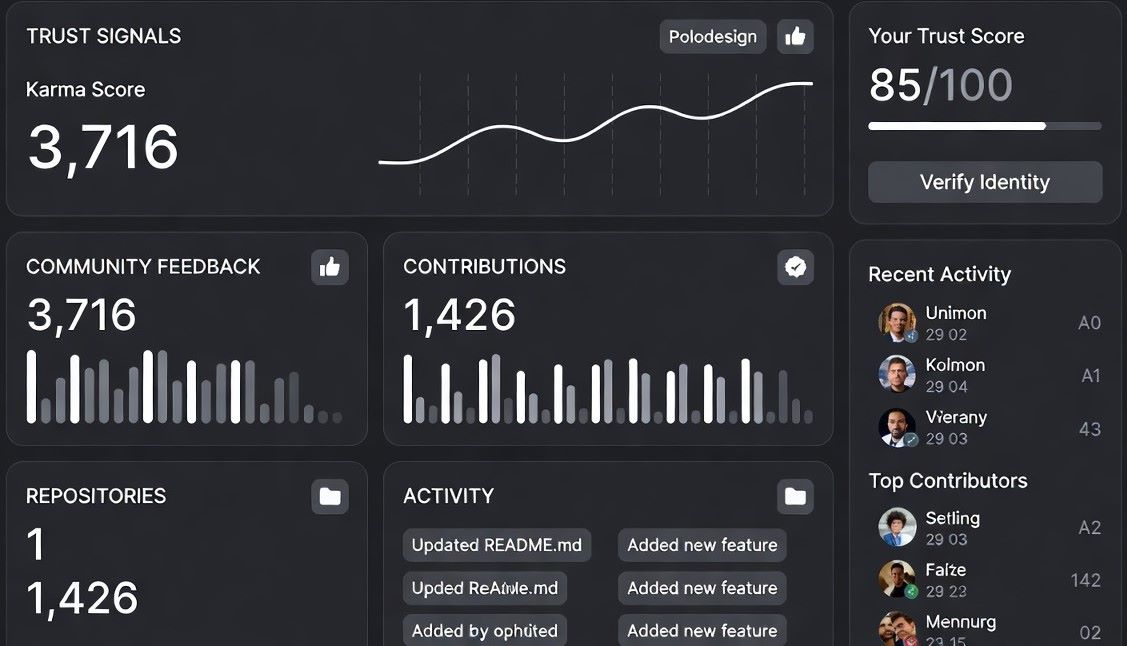
developer dashboard-style interface displaying trust signals like karma, commits, and community feedback

Online reputation has measurable value. A 2018 study published in the journal Management Science found that reputation signals such as ratings and history significantly influence trust and transaction success in digital marketplaces. The same pattern shows up across the internet, from ride-sharing apps to open source communities. People trust systems that show proof of history. When identity leaves a trail, confidence follows.

Reddit works much the same way. Karma scores, account age, and posting history quietly signal credibility across the platform. Communities often trust accounts that have been around for years and have participated in discussions. That is why marketplaces centered on reputation exist, including services like a Reddit account seller. Whether developers agree with the practice or not, the idea behind it reveals something important. Digital identity, once established, becomes a form of infrastructure.

Reputation Is a System Layer

Developers tend to think about infrastructure in technical terms like authentication services, databases, and APIs. Yet reputation functions almost like an invisible service layer that runs on top of everything else.

Reddit offers a simple example. A brand new account posting advice in a technical subreddit may get ignored or downvoted. The same comment from a five-year-old account with strong karma often receives engagement. Nothing changed about the content itself. The difference lies in the trust signal attached to the identity.

Software systems use similar patterns. Authentication confirms identity. Version control records history. Reputation systems evaluate past behavior. Each layer reduces uncertainty in a distributed environment where strangers interact.

Think of it like a developer’s commit history. A clean Git history builds confidence among collaborators. When contributors consistently push thoughtful code, reviewers feel comfortable approving changes. Reputation accumulates quietly through repeated interactions.

GitHub Shows the Same Pattern

Open source communities offer perhaps the clearest example of reputation acting as infrastructure. On platforms like GitHub, a developer’s history matters almost as much as the code they submit.

A contributor with years of commits, active repositories, and constructive discussions gains informal authority. Maintainers trust pull requests from known contributors more quickly. New accounts, meanwhile, often face more scrutiny.

This dynamic mirrors Reddit’s karma system. Both platforms create a timeline of behavior. That timeline acts like a trust ledger.

The interesting part is that no single metric defines credibility. A developer’s influence grows through multiple signals.

  • Length of account activity
  • Quality of past contributions
  • Community feedback
  • Consistency over time

Reddit uses karma and post history. GitHub uses commits and stars. Different metrics, same philosophy.

Trust Signals in Distributed Systems

Distributed systems rely heavily on trust signals. According to the National Institute of Standards and Technology (NIST), identity and authentication are foundational elements of secure digital infrastructure. Without them, systems struggle to verify who is interacting within the network.

Reputation layers extend that idea beyond identity verification. They add context. Developer communities regularly rely on discussion platforms to evaluate ideas, tools, and frameworks, and the quality of those discussions often depends on reputation signals and participation history. Many engineers also study how strategic engagement in developer discussions on Reddit can surface meaningful conversations and help technical communities highlight useful insights and emerging tools.

An account that has existed for six years tells a story. Thousands of comments tell another. A long record of constructive engagement paints a picture that algorithms and humans can evaluate. This is why developers often design reputation scoring mechanisms into platforms. Stack Overflow does it with its points system. Reddit does it with karma. Even marketplaces use seller ratings.

The goal stays the same. Reduce uncertainty between strangers interacting online.

When developers observe marketplaces for aged accounts, including those offered by a Reddit account seller, they are essentially seeing the market price of digital trust signals. It might feel unusual at first glance. Yet it highlights how valuable reputation history has become across modern platforms.

Identity and History Are Hard to Fake

Here is the tricky part. Reputation takes time.

You cannot manufacture five years of thoughtful comments overnight. You cannot instantly replicate a long trail of helpful posts or technical discussions. Building history requires participation, patience, and sometimes a bit of internet stubbornness.

Anyone who has spent time contributing to online communities knows the feeling. You post thoughtful replies. A few get upvoted. Some get ignored. Occasionally, someone argues with you about tabs versus spaces.

Over time, though, your account develops a kind of personality. A recognizable voice. That accumulation becomes a credibility asset.

Platforms recognize this, and system designers often treat historical data as one of the strongest trust indicators available.

Reputation as a Design Lesson

For developers, the takeaway is surprisingly practical. Reputation systems should be treated like infrastructure rather than decoration.

Good platforms reward long-term participation. They track meaningful activity. They allow communities to evaluate behavior across time. These systems do not have to be complex, but they must preserve history.

Reddit accidentally demonstrates this principle very well. Karma, account age, and visible posting records create a social ledger of credibility. The fact that markets exist around those signals, including services connected to a Reddit account seller, simply proves how much users value established digital identity.

Reputation may feel like a social feature, yet it functions more like an engineering component. It helps strangers cooperate, filters noise, and builds trust where none existed before. And honestly, that might be one of the most underrated infrastructure layers on the internet.
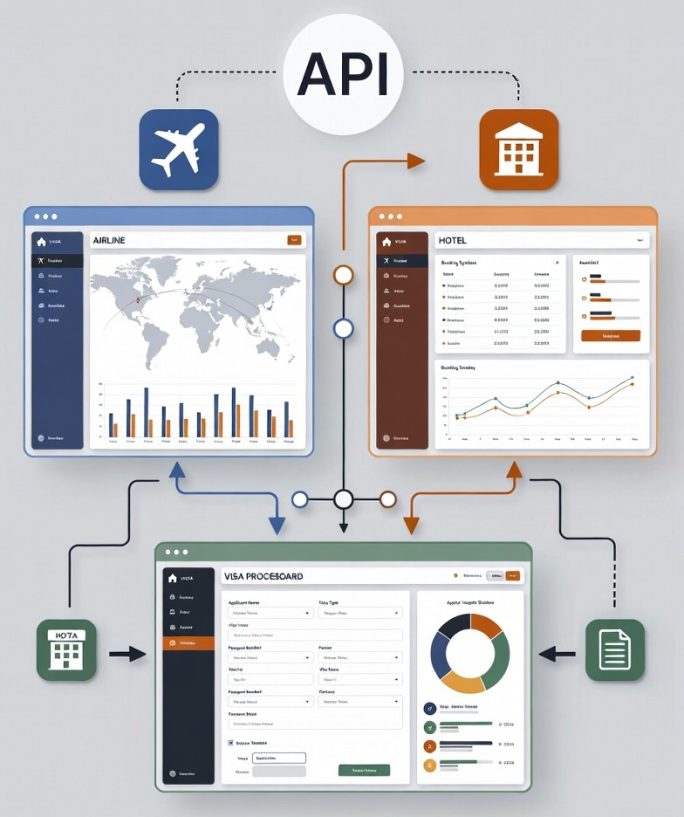

How Oroba Uses APIs to Generate Real-Time Flight and Hotel Reservations for Visa Software

Modern visa applications rely on verifiable travel data to move through automated review systems. Embassies and consulates increasingly expect applicants to submit flight and hotel details that can be checked instantly, which has pushed developers to rethink how reservation data is generated, validated, and delivered.

Oroba approaches this challenge by treating travel bookings as structured data products rather than static documents. Through live airline and hotel integrations, the platform produces real-time reservations that software can embed directly into visa workflows, including tools that generate a dummy ticket for visa purposes while still maintaining technical credibility.

Why real-time travel data matters for visa automation

interconnected APIs linking airline and hotel systems to visa software dashboards

Visa systems are designed to detect inconsistencies. A static PDF itinerary or manually edited booking confirmation often raises flags during automated checks. Developers building visa software need outputs that behave like genuine reservations, complete with reference numbers, timestamps, and provider metadata.

Real-time APIs solve this by pulling data directly from airline distribution systems and hotel inventory platforms. Instead of fabricating details, software requests live availability and pricing, then formats that response into a reservation record. This approach aligns better with how immigration systems verify travel intent.

API architecture behind live reservations

Oroba’s backend is built around modular API connections. Each travel component, flights, hotels, and passenger data, is handled as a separate service. This keeps integrations flexible and reduces the risk of a single failure breaking the entire workflow.

When a request is made, the system first validates user inputs such as travel dates, destinations, and passenger names. It then queries airline or hotel APIs in real time. The response includes fare classes, booking codes, and availability windows, which are stored briefly before being transformed into a visa-ready output.

Data normalization and consistency

Travel providers return data in different formats. Some airlines use legacy schemas, while hotel platforms rely on modern JSON structures. Oroba normalizes these responses into a consistent internal model. This step is critical for developers who need predictable fields when embedding reservations into forms or documents.

Normalization also helps prevent mismatched data, such as date offsets or currency errors, which can cause visa rejections. Clean, consistent outputs make automation safer.

Ensuring reservations are verifiable

Verification is more than having a booking number. Visa officers and automated systems often cross-check reservation data against provider patterns. Oroba addresses this by preserving key attributes from the original API response, including carrier codes, property identifiers, and booking timestamps.

This is why platforms that generate travel proof must avoid shortcuts. A second mention of a dummy ticket for visa use only makes sense when the output mirrors real reservation logic and structure, even if the booking is temporary or non-ticketed.

Security, compliance, and backend controls

Handling travel data comes with security responsibilities. Oroba’s system limits data retention and encrypts sensitive fields. Temporary reservations expire automatically, reducing exposure and keeping the platform aligned with data protection standards.

Backend controls also monitor API usage. Rate limits, fallback providers, and logging systems ensure reliability even during peak demand. For developers, this means fewer failures and more trust in the generated outputs.

Lessons for developers building visa tools

The main takeaway is simple. Treat travel reservations as live data integrations, not templates. Many of the core uses of modern software revolve around validation, automation, and trust, and visa tools are no exception. Build validation layers, normalize responses, and preserve verifiable markers from providers. These steps turn a travel booking into a reliable software component.

By bridging travel data with application logic, Oroba shows how APIs can power compliant visa tools at scale. A well-implemented dummy ticket for visa workflows can support automation without sacrificing credibility, which is exactly what modern visa software demands.

A Simple Guide to Coding, Software, and Website Development

Everything we use online, from social media platforms to shopping website, is built through coding and software development. These tools make our daily digital interactions possible. While the world of coding may sound technical or complicated, understanding the basics can help anyone appreciate how websites and apps work.

What Is Coding?

Coding is the process of giving instructions to a computer. These instructions are written in a language that computers can understand, known as a programming language. Examples include HTML, CSS, JavaScript, Python, and Java. Each language serves a different purpose.

  • HTML structures a web page.
  • CSS designs how that page looks.
  • JavaScript adds interaction and animation.
  • Python and Java are often used to build larger applications and systems.

Think of coding like teaching a robot how to do tasks. If the instructions are clear, the robot performs perfectly. If not, it may make mistakes. This is why coders must write clean and logical code that computers can follow step by step.

How Software Works

Software is a collection of code that tells a computer how to perform specific tasks. It can be as simple as a calculator app or as complex as a hospital management system. Every piece of software starts as a plan. Developers think about what problem it will solve, who will use it, and what features it needs.

There are two main types of software:

  • System software, like Windows or macOS, which helps your computer run.
  • Application software, like Microsoft Word or Spotify, which helps users complete tasks.

Developers use coding languages, design tools, and testing platforms to make sure the software works smoothly. Once completed, it goes through updates and improvements to fix bugs and add new features. This ongoing process ensures that software remains efficient and user-friendly.

The Basics of Website Development

A website is a type of software that people can access through the internet. It combines coding, design, and content to provide information or services. The process of building a website involves several steps:

  • Planning – Developers and designers outline what the website will do and how it will look.
  • Designing – Using tools like Figma or Adobe XD, designers create visual layouts and color schemes.
  • Coding – Developers use HTML, CSS, and JavaScript to turn those designs into real web pages.
  • Testing – They check the website for errors and make sure it works well on all devices.
  • Launching – The website goes live for users to visit.
  • Maintenance – Regular updates ensure that the site stays secure and performs well.

Modern websites also use frameworks like React, Vue, or WordPress to make development faster. These tools allow developers to reuse code and build interactive features with less effort.

Coding for Beginners: Where to Start

Anyone can learn to code with patience and the right guidance. Many free resources online make it easy to start, even without a technical background.

Codecademy, freeCodeCamp, and W3Schools offer beginner-friendly tutorials.

YouTube channels and online communities can help answer questions and provide tips.

It’s best to start small by creating a personal blog or portfolio website. Learning how to build a simple project teaches you how code works in real life. From there, you can explore advanced topics like databases, backend development, and software frameworks.

Practice is key. The more you code, the easier it becomes to understand logic, patterns, and problem-solving techniques. Over time, coding transforms from a skill into a creative tool that lets you bring your ideas to life.

Why Coding and Website Development Matter

Coding and software development drive today’s innovation. From healthcare and finance to education and entertainment, every industry depends on digital tools. Websites help businesses reach customers worldwide. Apps simplify communication, shopping, and learning.

For professionals, learning to code opens many career opportunities. Developers, software engineers, and web designers are in high demand. Even non-technical jobs benefit from basic coding knowledge.

In addition, coding fosters problem-solving and critical thinking. Each project challenges you to analyze issues and find efficient solutions. This mindset is valuable far beyond the tech world.

Basic Studies How To Code

Coding involves understanding how to give instructions to a computer to perform specific tasks. Here are the key foundational concepts:

Syntax – Every programming language has rules (like grammar in a language). Learning syntax is like learning how to write properly in that language.
Variables and Data Types – Variables store information (like numbers, text, etc.), and data types define what kind of information it is (e.g., integer, string, boolean).
Control Structures – These include:
Conditionals (if, else) to make decisions.
Loops (for, while) to repeat actions.
Functions – Blocks of code designed to perform a specific task, reusable and organized for efficiency.
Debugging – The process of finding and fixing errors in your code.
Input/Output – Reading data from a user or file and showing results.
Problem-Solving – Coding is largely about breaking down a problem into logical steps the computer can understand.

https://domenlightenment.com

𐌢