Modern visa applications rely on verifiable travel data to move through automated review systems. Embassies and consulates increasingly expect applicants to submit flight and hotel details that can be checked instantly, which has pushed developers to rethink how reservation data is generated, validated, and delivered.
Oroba approaches this challenge by treating travel bookings as structured data products rather than static documents. Through live airline and hotel integrations, the platform produces real-time reservations that software can embed directly into visa workflows, including tools that generate a dummy ticket for visa purposes while still maintaining technical credibility.
Why real-time travel data matters for visa automation
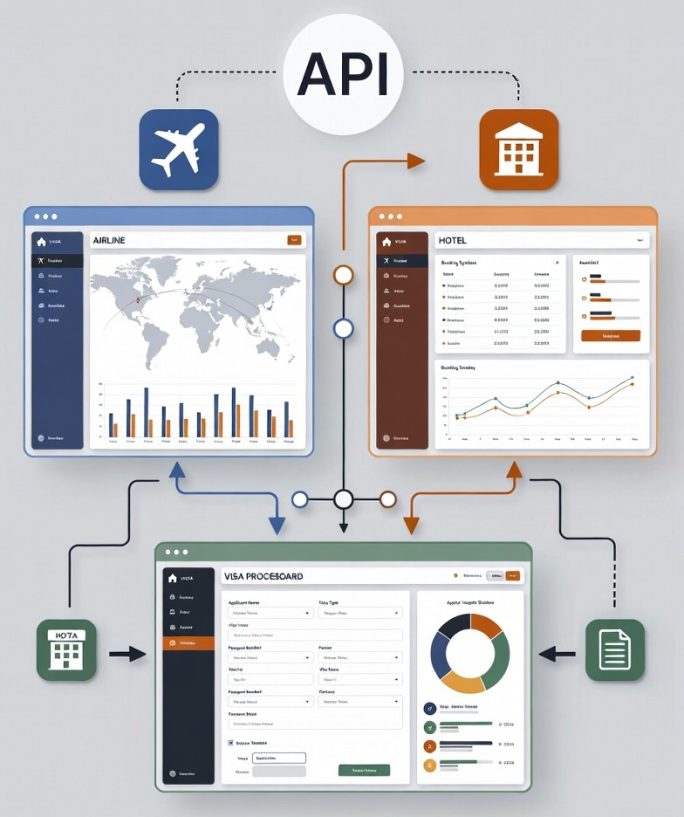
Visa systems are designed to detect inconsistencies. A static PDF itinerary or manually edited booking confirmation often raises flags during automated checks. Developers building visa software need outputs that behave like genuine reservations, complete with reference numbers, timestamps, and provider metadata.
Real-time APIs solve this by pulling data directly from airline distribution systems and hotel inventory platforms. Instead of fabricating details, software requests live availability and pricing, then formats that response into a reservation record. This approach aligns better with how immigration systems verify travel intent.
API architecture behind live reservations
Oroba’s backend is built around modular API connections. Each travel component, flights, hotels, and passenger data, is handled as a separate service. This keeps integrations flexible and reduces the risk of a single failure breaking the entire workflow.
When a request is made, the system first validates user inputs such as travel dates, destinations, and passenger names. It then queries airline or hotel APIs in real time. The response includes fare classes, booking codes, and availability windows, which are stored briefly before being transformed into a visa-ready output.
Data normalization and consistency
Travel providers return data in different formats. Some airlines use legacy schemas, while hotel platforms rely on modern JSON structures. Oroba normalizes these responses into a consistent internal model. This step is critical for developers who need predictable fields when embedding reservations into forms or documents.
Normalization also helps prevent mismatched data, such as date offsets or currency errors, which can cause visa rejections. Clean, consistent outputs make automation safer.
Ensuring reservations are verifiable
Verification is more than having a booking number. Visa officers and automated systems often cross-check reservation data against provider patterns. Oroba addresses this by preserving key attributes from the original API response, including carrier codes, property identifiers, and booking timestamps.
This is why platforms that generate travel proof must avoid shortcuts. A second mention of a dummy ticket for visa use only makes sense when the output mirrors real reservation logic and structure, even if the booking is temporary or non-ticketed.
Security, compliance, and backend controls
Handling travel data comes with security responsibilities. Oroba’s system limits data retention and encrypts sensitive fields. Temporary reservations expire automatically, reducing exposure and keeping the platform aligned with data protection standards.
Backend controls also monitor API usage. Rate limits, fallback providers, and logging systems ensure reliability even during peak demand. For developers, this means fewer failures and more trust in the generated outputs.
Lessons for developers building visa tools
The main takeaway is simple. Treat travel reservations as live data integrations, not templates. Many of the core uses of modern software revolve around validation, automation, and trust, and visa tools are no exception. Build validation layers, normalize responses, and preserve verifiable markers from providers. These steps turn a travel booking into a reliable software component.
By bridging travel data with application logic, Oroba shows how APIs can power compliant visa tools at scale. A well-implemented dummy ticket for visa workflows can support automation without sacrificing credibility, which is exactly what modern visa software demands.